Rodent Damage 101: What Every Hampton Roads Homeowner Should Know
Discover how rodents can quietly damage your home — and what to do before small signs turn into big problems.
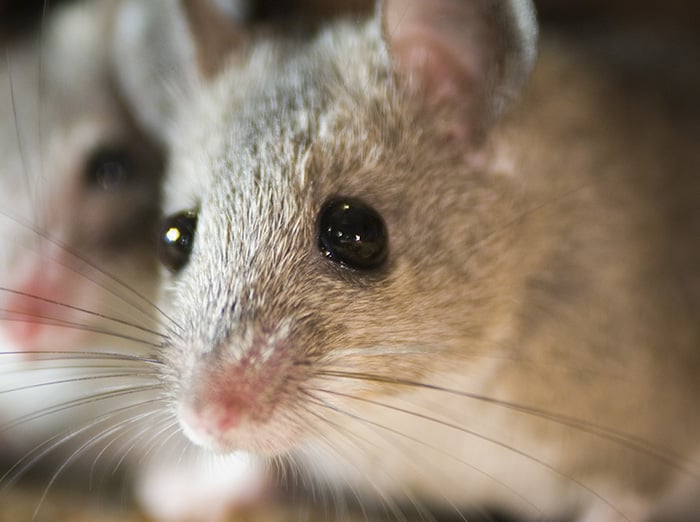
Rodents are more than just a nuisance; they’re a common problem in Norfolk, Virginia Beach, Chesapeake, and all of Hampton Roads. When temperatures change or food sources are easy to find, mice and rats look for shelter inside houses, and once they’re in, the damage can add up fast.
Let’s take a look at what rodent damage looks like and find solutions that actually work.
What This Blog Covers
Rodents are a common issue in Hampton Roads, and even small infestations can cause significant damage over time. This guide explains:
-
How rodents cause damage
-
What signs to look for
-
Practical prevention tips
-
Why professional rodent control is often the most effective solution
-
How Getem Services provides local expertise with inspection, exclusion, and follow-up
How Rodents Cause Damage
Rodents like mice and rats need to chew constantly as their incisors never stop growing. That’s not just a fun fact; it’s why they gnaw on just about anything in your home.
Because rodents chew to keep their teeth trimmed, your home becomes their “tool shed”:
-
Wires in the attic or garage (major fire hazard)
-
Plastic plumbing pipes near sinks or laundry areas
-
Insulation torn up for nesting
-
Stored boxes, clothes, books, and other belongings
Common Signs of Rodent Damage
Rodent damage isn’t always apparent at first. In many Hampton Roads homes, it shows up slowly, and by the time it’s noticed, repairs are already needed. Here are the most common ways rodents damage houses once they get inside.
Electrical Wiring Damage
Rodents frequently chew on electrical wires in attics, crawl spaces, garages, and behind walls where wiring is hidden. Damaged wiring increases the risk of electrical shorts and house fires, and is one of the most serious problems rodents cause inside homes.
Insulation Damage
Mice and rats tear insulation apart to create nesting material. In attics and other areas where insulation is used, this reduces your home’s ability to regulate temperature, leading to higher energy bills and uneven heating or cooling. Insulation contaminated with rodent droppings or urine usually has to be removed and replaced.
Structural and Material Damage
Rodents gnaw on wood framing, drywall, and trim. While this damage may not always affect structural integrity right away, it can weaken materials over time and lead to costly repairs, especially around utility lines and entry points.
Plumbing and HVAC Damage
Rodents may chew on plastic plumbing pipes, drain lines, or HVAC components. This can cause leaks, water damage, or reduced system efficiency. In some cases, homeowners don’t discover the problem until water damage or system failure occurs.
Damage to Stored Items
Cardboard boxes, clothing, paper goods, and stored household items are common targets. Rodents shred these materials for nesting or chew through them to access food. Even items that aren’t heavily damaged are often contaminated and need to be discarded.
Contamination
Rodent droppings and urine contaminate surfaces, insulation, storage areas, and sometimes air ducts. This type of damage often requires professional cleaning and sanitation, especially in enclosed areas like attics or crawl spaces.
How to Prevent Rodent Damage
The best prevention starts outside your home and works inward. These tips are grounded in what pest pros recommend.
Seal Entry Points
Rodents can squeeze through openings as small as a quarter-inch. Inspect your foundation, vents, door frames, and gaps around utilities. Use hardware cloth or copper mesh for durable exclusion.
Keep Yard Clean and Trimmed
Trim shrubs and plants at least 2 ft from the house. Remove woodpiles and debris that can hide rodent pathways.
Eliminate Food & Water Sources
Secure outdoor garbage cans with tight lids. Don’t leave pet food, birdseed, or compost uncovered.
Declutter Your Home
Rodents love hidden, cozy corners. Storing items in sealed bins (not cardboard) makes them less attractive nesting spots.
Inspect Seasonally
Fall and winter are peak times when rodents seek warmth and shelter; be proactive before temperatures drop.
Why Professional Rodent Control Works
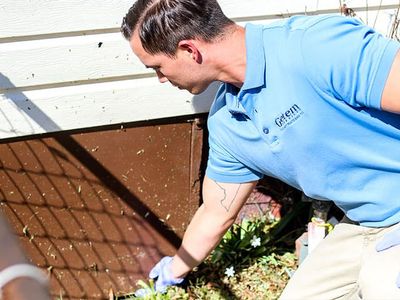
Store-bought rodent traps and other DIY home remedies may work for a minute, but rodents are smart, adaptable, and relentless. At Getem Services, we approach rodent control the way local homes deserve: with precision, follow-up, and long-term exclusion.
Here’s what we do:
-
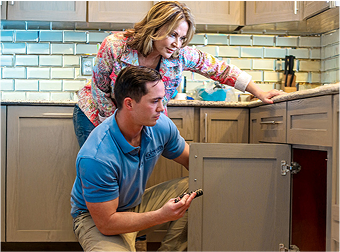
Thorough rodent inspection throughout your home.
-
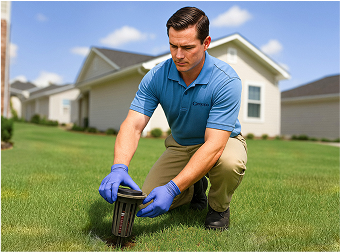
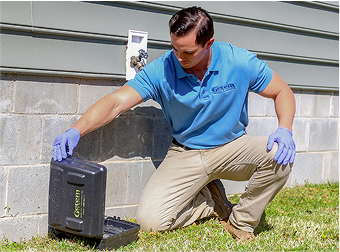
Placement of interior traps and exterior bait stations.
-
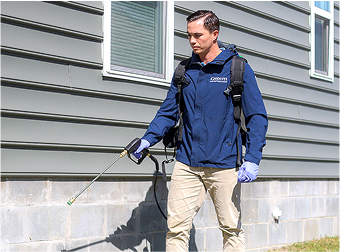
Customized exclusion work to seal gaps and prevent return.
-
Follow-up visits to ensure the problem stays solved.
No guesswork. No half measures. Just protection you can trust — with over 3,400 5-star reviews backing our work.
In addition to our rodent control services, we offer home pest control services that keep rodents and other house-infesting pests out all year long! With quarterly pest treatments and free re-treatments if a covered pest problem arises in between service visits, it’s a great way to protect your home and family!
Have you spotted rodent damage or noticed signs of rodent activity?
Don’t wait. Contact Getem Services and get peace of mind that your Hampton Roads home is protected — for good.
This blog was originally published on December 17, 2024, and updated for accuracy and relevance in 2026.


Additional Services


Get Help Now!
Request Your Free Quote