West Nile Virus Detected in Hampton Roads Mosquitoes: What Homeowners Should Know
Mosquito Season Isn't Over in Hampton Roads
Late summer is usually when local mosquito populations peak, and this year that comes with some news worth paying attention to. Over the past several weeks, mosquito samples in three Hampton Roads communities have tested positive for West Nile virus.
In Virginia Beach, Public Works reported on August 19 that WNV-positive mosquitoes had increased over the prior three weeks, with positive samples collected in Aragona, the Kempsville area, College Park, Brigadoon Forest, the Thalia area, Plaza, Pembroke, Bay Colony, Green Run and Wesleyan Pines. City crews responded by escalating treatment — daytime crews targeting standing water and nighttime crews spraying those same neighborhoods as weather allows.
In Suffolk, the city reported on August 11 that mosquitoes near Freeney Avenue in the downtown area tested positive. Mosquito Control there began truck spraying, treating standing water and increasing surveillance. And in Hampton, a mosquito collected at Joint Base Langley-Eustis in late July tested positive, prompting ground-fogging on base and additional spraying by the city.
Some Perspective on West Nile Virus
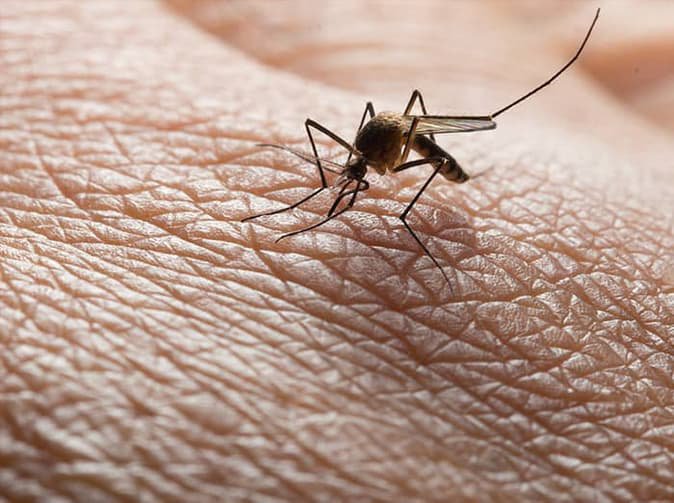
A positive mosquito sample is not an outbreak. It means routine surveillance is working — traps are catching mosquitoes and labs are testing them, which is exactly how communities get early warning. Statewide, the Virginia Department of Health has confirmed six human West Nile cases in Virginia so far this year, and none in Virginia Beach. According to the CDC, most people infected with West Nile never develop symptoms; about one in five develop a fever with headache, body aches or a rash, and severe illness is rare.
The practical takeaway is simple: fewer mosquito bites means less risk, and fewer mosquitoes around your home means fewer bites.
What You Can Do This Week
Mosquitoes that spread West Nile breed in standing water — often surprisingly little of it. A walk around your property is one of the most effective 15 minutes you can spend:
- Empty or turn over anything holding water: buckets, toys, plant trays, tarps, wheelbarrows, old tires
- Refresh birdbaths and wading pools weekly
- Clear roof gutters and downspout screens so water drains instead of pooling
- Check low spots, drainage ditches and anywhere water sits more than a few days after rain
- Use an EPA-registered repellent and wear long, loose, light-colored clothing when you're out at dawn and dusk, when these mosquitoes are most active
Where Professional Treatment Fits In
Yard sanitation removes breeding sites, but it can't reach the shaded, humid places adult mosquitoes rest during the day — dense shrubs, fence lines, under decks, along wood edges. That's the gap our seasonal service is built to close.
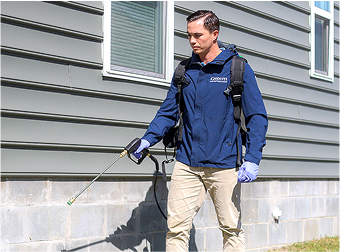
Getem Services treats for mosquitoes, fleas and ticks every three weeks from March through the end of September. Each visit starts with locating the spots on your property where mosquitoes rest and breed, then applies a targeted misting treatment to those harborage areas — fence lines, transitional areas and beneath decks — to knock down the adult population and keep it down between visits.
Questions about mosquito activity around your home? Call Getem Services at (757) 529-1842 or request a free quote — we serve Norfolk, Virginia Beach, Chesapeake and the surrounding Hampton Roads communities.


Additional Services



Get Help Now!
Request Your Free Quote