How to Find a Mouse Nest in Your House
Found shredded paper behind a storage box or torn insulation in the attic? You might be looking at a mouse nest, especially if there are droppings nearby—even if you haven't spotted a mouse.
Mice are good at finding hidden places to settle, whether that's in a garage, behind appliances, among stored belongings, or somewhere you can't easily see. Knowing what a mouse nest looks like and where to find one can help you recognize a possible problem in your Hampton Roads home and understand when it's time to call for help.
What Does a Mouse Nest Look Like?
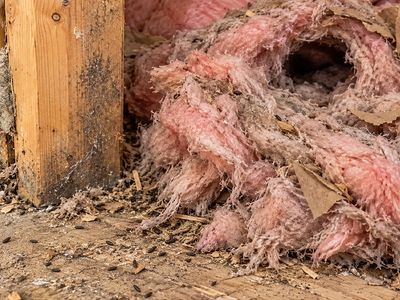
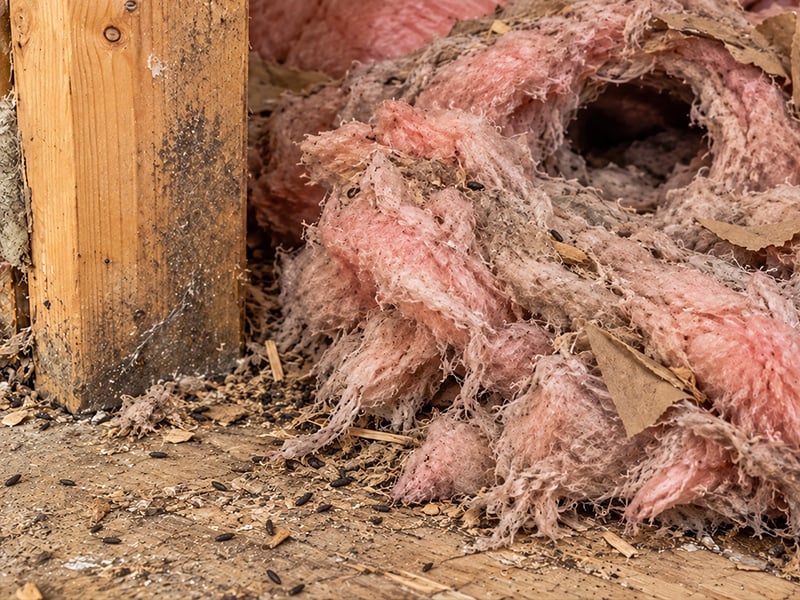
A mouse nest typically looks like a small bundle of shredded paper, fabric, cardboard, insulation, or other soft materials. Mice use whatever they can find nearby to create a sheltered place to rest and raise their young.
A typical house mouse nest may be roughly four to six inches across, although its size and appearance can vary. Some are loosely rounded, almost like a messy ball of fibers. Others are much harder to recognize because the nesting material has been tucked into insulation, furniture, or a small opening.
You might notice bits of torn material scattered nearby, along with mouse droppings or signs of chewing.
Not every pile of shredded paper means mice have made a nest. But when those materials appear in a secluded spot alongside other evidence of mouse activity, they're worth paying attention to.
Where Do Mice Nest Inside Houses?
Mice prefer places where they can remain hidden and relatively undisturbed. Warmth and access to food also make certain areas attractive, which is why mouse nests aren't always found where homeowners expect them.
Behind Appliances and in Enclosed Spaces
The space behind a refrigerator, oven, or water heater can provide warmth and shelter. Mice may also establish nests inside rarely used cabinets or other enclosed spaces where nesting material can accumulate unnoticed.
Among Stored Belongings
Cardboard boxes, folded fabrics, upholstered furniture, and other stored items can provide both shelter and nesting material. A mouse may settle into a box that hasn't been opened in months or use stuffing pulled from furniture to create a nest.
Inside Walls, Attics, and Insulation
Some mouse nests are completely hidden from view. Inside walls, mice may use narrow cavities between studs to build nests from shredded paper, fabric, and other soft materials they've gathered. Homeowners may hear scratching or movement without ever seeing where the mice have settled.
Attics offer additional nesting opportunities, particularly among insulation and in secluded areas near framing. Mice may burrow into loose insulation or pull pieces apart to create a sheltered nesting spot. Because these nests can be concealed beneath insulation, they're not always easy to locate.
Mice can also nest beneath homes. If you've noticed activity beneath your floors, our article on rodents in crawl spaces explains what it could mean.
Keep in mind that finding evidence of mice in one location doesn't necessarily mean their nest is there. They may travel between nesting areas and food sources without being seen.
How Can You Tell if a Mouse Nest Is Nearby?
You might not see a mouse nest even when mice are actively using your home. Some nests are hidden behind walls or beneath insulation, making them difficult to locate without a closer inspection.
One clue is the collection of nesting material in a particular spot. You might find shredded fabric tucked into the corner of a storage box, insulation gathered into a small hollow, or bits of paper accumulating behind an appliance. Mouse droppings near these materials can be another indication that mice are using the area.
Scratching or rustling from a particular wall or ceiling may also suggest mice are active in that space, although it doesn't necessarily mean their nest is there.
Think mice might be nesting somewhere you can't see? You don't have to tear into walls or disturb insulation to find out. Getem Services can inspect your home for rodent activity and help identify potential nesting areas. Learn about our rodent control services or call (757) 529-1842 to speak with our team.
Does Finding a Mouse Nest Mean Mice Are Still There?
Not necessarily. A mouse nest can remain in place after the mice have left, so finding one doesn't automatically confirm an active infestation.
However, it's important to consider what else you've noticed.
Are droppings continuing to appear? Have you heard scratching or movement recently? Are there new signs of chewing near the area where you discovered the nesting material?
Ongoing activity makes it more likely that mice are still using your home, even if the nest you've found is empty.
There's also the possibility that mice have established nesting areas elsewhere in the structure. Simply removing what you've found won't tell you whether the problem has ended.
If you're wondering whether a mouse you've seen or caught could mean others are present, our article When You Catch One Mouse, Are There More? takes a closer look at that question.
What Should You Do if You Find a Mouse Nest?
Finding a nest can make you want to get rid of it immediately. However, it's important not to disturb nesting material without taking appropriate precautions.
Mouse nests may contain urine, droppings, and other contaminants. The CDC recommends that homeowners avoid sweeping or vacuuming rodent droppings and nesting materials, as this can release contaminated particles into the air.
If you've discovered a possible nest inside a wall, among insulation, or in another difficult-to-reach space, don't feel that you have to retrieve it yourself.
It's also important to remember that removing a nest and getting rid of mice are two different things.
Even if you remove the nesting material, mice may still be active elsewhere in the home. And if the openings they used to get inside remain accessible, additional rodents may find their way in.
That's why identifying active mouse activity and potential entry points is so important. Otherwise, you may be dealing with the same problem again.
Mouse Nest in Your Home? Getem Can Help
Whether you've discovered what looks like a mouse nest or keep noticing signs of activity without finding the source, our team at Getem Services can help you figure out what's happening.
We've been serving Hampton Roads homeowners since 1922, and we understand how frustrating it can be when mice settle into places you can't easily access.
Our professional rodent control services begin with a thorough inspection to identify rodent activity, potential nesting areas, and entry points mice may be using to enter your home. From there, we'll recommend a plan based on our findings, which may include trapping, follow-up visits, and rodent exclusion work.
For homeowners who want ongoing protection, we also offer quarterly home pest control that covers mice, rats, and other common household pests. We can help you determine whether dedicated rodent control, ongoing pest protection, or a combination of both makes the most sense for your home.
You don't have to locate a mouse nest before reaching out to us.
If you're dealing with signs of mice in Norfolk, Virginia Beach, Chesapeake, or elsewhere across our Hampton Roads service area, we'd be happy to help.
Request a free quote or call (757) 529-1842. Tell us what you've noticed, and we'll help you determine the next step.
Originally published October 18, 2024. Updated October 31, 2026.


Additional Services






Get Help Now!
Request Your Free Quote