Why Ants Come From Crawl Spaces in Hampton Roads Homes
A lot of ant problems don’t start where you’re seeing them.
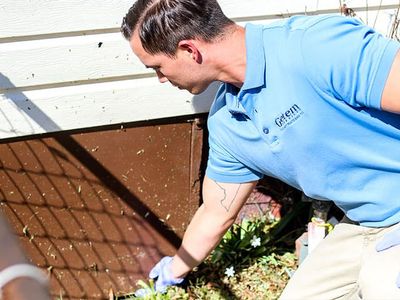
Our technicians see this all the time when inspecting homes in Hampton Roads—activity inside, but the source is below the home.
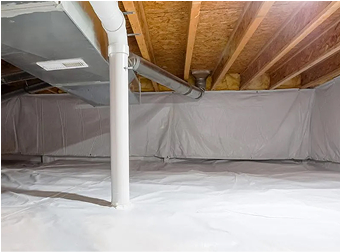
Crawl spaces tend to stay damp, protected, and undisturbed—exactly the kind of conditions ants look for. Once they’re established there, it doesn’t take much for them to start showing up inside.
Where Ants Actually Live Around Your Home
Ants don’t usually start indoors.
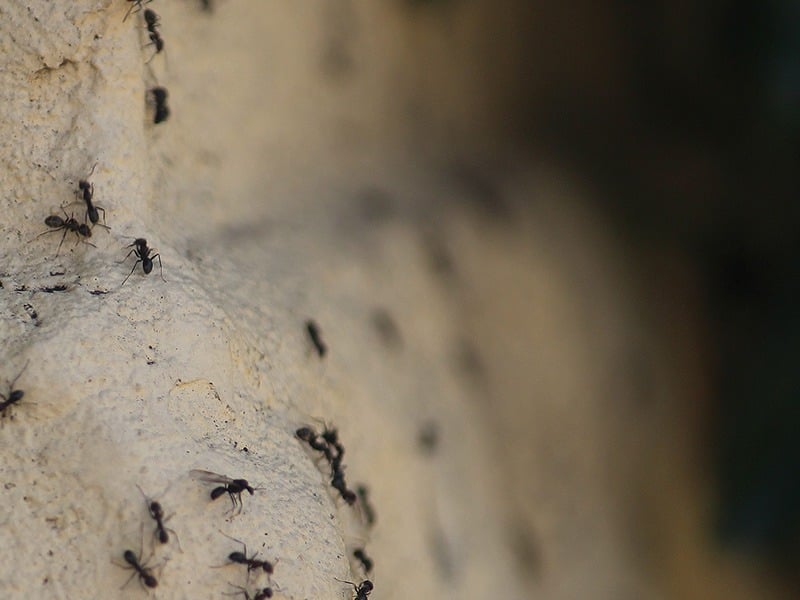
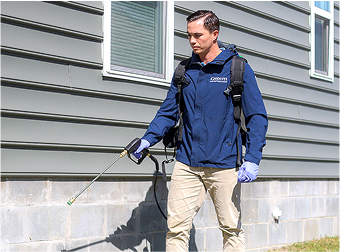
In many Hampton Roads homes, they’re nesting close to the structure—along the foundation, in mulch beds, or in the soil right next to the house. From there, it’s easy for them to work their way into the crawl space.
Gaps around crawl space doors and vents, openings where utilities enter the home, and small cracks near the foundation all give ants a way in. And because those areas stay connected to the outside, ants can move back and forth without much resistance.
After periods of rain, this movement tends to increase, as ants shift away from saturated soil and into drier spaces like the crawl space.
Once they settle into the crawl space, it becomes a central point for activity—and from there, it’s much easier for them to start showing up inside.
Why Crawl Spaces Attract Ants
Crawl spaces tend to hold onto the conditions ants need.
They stay dark. They stay protected. And in Hampton Roads, they often stay damp longer than in other areas around the home.
That combination makes them a stable place for ants to settle in. Once a colony is established underneath the structure, it doesn’t take much for activity to begin spreading upward into the living space.
How Ants Move From the Crawl Space Into the Home
Ants don’t need much of an opening to get inside.
They can move through small gaps around plumbing lines, openings where wires enter the home, or cracks near the base of walls and flooring. Once they find a way in, they tend to stick with it.
That’s why you’ll often notice ants showing up in the same areas over and over again—especially in places like kitchens and bathrooms, where plumbing and moisture give them an easy path. They’re following the same routes between the crawl space and the inside of the home.
Why Ant Activity Keeps Coming From Below
When ants show up inside, it’s easy to focus on where you’re seeing them.
But in homes with crawl spaces, the colony often stays active underneath the house. That means even if activity inside slows down for a while, new ants can keep moving up into the home.
As long as those conditions below the home stay the same, the problem tends to repeat itself—sometimes in the same spot, and sometimes in new areas.
Why Sprays and Quick Fixes Don’t Solve the Problem
That’s why sprays and quick fixes don’t hold up for long.
Most of what homeowners use addresses only the ants you can see. They don’t reach ants in crawl spaces or other areas where they’re nesting.
Because of that, the problem may seem to improve at first, only to return again later, or show up somewhere new.
How Getem Handles Ant Problems at the Source
When we’re dealing with ant problems like this, we’re not just looking at what’s going on inside the home—we’re looking at what’s happening around the home and underneath it. Our technicians see this pattern all the time in Hampton Roads homes, especially in properties with crawl spaces.
That includes identifying where ants are nesting, how they’re moving near the foundation, and how they’re getting from the crawl space into the home.
With Getem’s residential pest control plan, we’re out every quarter treating around the exterior to help keep ants and other covered household pests from getting inside in the first place.
During each visit, we address any indoor issues as needed.
And if a covered pest problem comes up between visits, we come back out and handle it.
FAQs About Ants in Crawl Spaces
Do ants live in crawl spaces year-round?
In Hampton Roads, they can. Crawl spaces tend to stay stable enough for ants to remain active even when conditions outside change.
Do crawl space vents or doors make it easier for ants to get in?
Yes. Crawl space vents, access doors, and the areas around them often have small gaps or aren’t fully sealed. Those openings give ants an easy way to move from the outside into the crawl space, especially when conditions are damp or disturbed.
Can moisture problems in a crawl space make ant issues worse?
Yes. Moisture is one of the main things that attracts ants to crawl spaces in the first place. If there’s ongoing dampness from humidity, poor ventilation, or minor leaks, it can make that space more appealing and allow colonies to stay active longer.
Seeing Ants Around Your Home?
If you’re noticing ants inside—or around areas like the crawl space—it’s a good time to take a closer look at what’s going on.
Our residential pest control plan is designed to help keep ants and other common household pests under control by addressing where they start—not just where they show up.
Homeowners across Norfolk, Virginia Beach, Chesapeake, and the surrounding Hampton Roads area have trusted Getem Services since 1922 to handle ant problems that start in places like crawl spaces and around the home.
We’re proud to be a local, family-owned company with a 4.9-star rating from more than 3,700 reviews.
Call (757) 489-8610 or get started with Getem Services today.


Additional Services

Get Help Now!
Request Your Free Quote