When You Catch One Mouse, Are There More?
Okay. Let’s say you caught a mouse. Congratulations — trapping a mouse can be harder than it looks. But then the noises behind your walls continue at night, or you notice droppings in the pantry. What’s going on? Should you set more traps, wait it out, or do something else?
Here’s why seeing another mouse after catching one is common — and how homeowners in Norfolk, Chesapeake, Virginia Beach, and throughout Hampton Roads can figure out whether one mouse means you have more.

Does One Mouse Mean You Have an Infestation?
If you caught one mouse, there’s a good chance there are more. You see, mice often live in groups and follow the same paths. But one sighting doesn’t automatically mean a full infestation.
More Likely a One-Off If:
- You’ve only seen the mouse once and don’t find fresh droppings afterward.
- No new signs (droppings, chew marks, noises) appear over the next few nights.
- You identify and seal a likely entry point.
More Likely an Infestation if You Notice:
- Fresh droppings, especially daily or in multiple rooms.
- Scratching or movement noises at night behind walls or in attics and crawl spaces.
- Chew marks on food packaging, insulation, or wiring.
- A musty odor from nesting materials.
- A second mouse sighting within a week.
Rule of thumb for homeowners: If you see repeated signs of activity over 48–72 hours, treat it as a potential infestation and act accordingly.
Addressing the problem at its source — not just catching a single mouse — is key to lasting control. Consider professional rodent control to identify entry points and prevent re-entry.
What Happens After You Catch a Mouse
Catching one mouse doesn’t always mean your rodent problem is solved. In the best-case scenario, it was a solitary visitor, and sealing exterior entry points stops future issues. But more often, homeowners notice one of these scenarios:
- You continue to catch mice and find evidence like droppings, chew marks, or scratches.
- You don’t catch more mice, but keep finding signs like gnawed pantry items.
- You hear scurrying or squeaking behind walls, in the attic, or in other hidden areas.
Mice are excellent at hiding and reproducing, often establishing nests in secluded areas. Without treating the whole problem, catching one mouse can be misleading — you may already be dealing with a larger issue.
Common Entry Points Mice Use to Get Into Homes
When homeowners say “we have no idea how they’re getting in,” it’s usually one of these spots:
- Gaps under garage doors and worn weatherstripping
- Foundation cracks and small openings where siding meets the slab
- Pipe penetrations under sinks, behind washers, and around HVAC lines
- Utility and cable line entry holes on exterior walls
- Crawl space vents and loose crawl space access doors
- Soffit/roofline gaps and openings near attic vents
- Gaps around doors and window frames, especially at corners
A Professional Approach that Stops Re-Entry
Rather than just setting traps, licensed pest professionals follow a proven approach used at Getem Services:
- Inspection: Identify mouse activity, locate nests, and find entry points.
- Exclusion: Seal entry points with professional-grade materials to prevent re-entry.
- Control: Install appropriate traps and rodent bait stations as needed.
- Follow-up: Weekly checks for several weeks to confirm progress.
This method tackles rodents at the source — behind walls, in crawl spaces, and wherever nests exist — not just at surface signs like droppings or noises.
Where Mice Hide in Homes in Hampton Roads
In Hampton Roads residences, mice tend to stay close to warmth, food, and moisture. Common hiding places include:
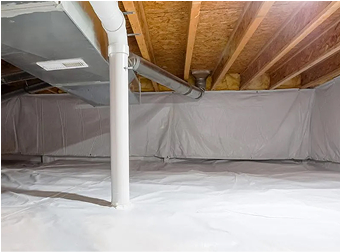
- Crawl spaces: Dark, damp, and often directly connected to the rest of the home.
- Attics and insulation: Quiet and protected.
- Garages: Door gaps and wall junctions offer easy entry.
- Kitchens: Heat and food sources make these attractive.
- Utility rooms: Pipe and wiring penetrations are easy access points.
Because mice may travel between these areas without being seen, you might notice evidence in spots far from their nest.
Crawl spaces are a common starting point for mouse activity, especially when moisture is present. In many Hampton Roads homes, professional moisture control can play a key role in reducing rodent pressure by making the area less inviting in the first place.
Ongoing moisture issues below the home don’t just attract pests — they can also affect indoor conditions throughout the house. Learn more about rodents in the crawl space and how rodent infestations can affect your indoor air quality.
Mouse Prevention Tips for Hampton Roads Homeowners
Here are practical ways to reduce the chances of a future rodent problem:
- Maintain good sanitation
Mice follow food. Keep counters and floors clean, store food in sealed containers, and remove crumbs. - Control vegetation
Overgrown lawns and shrubs create hiding spots. Keep your property tidy to reduce cover for mice. - Declutter and secure storage
Mice hide in tight spaces and behind stored items. Using containers with lids helps deter activity. - Move bird feeders away from your home
Seeds attract mice. Keeping feeders at a distance helps prevent visits. - Complete home maintenance tasks
Repair damaged wood, replace weatherstripping, and apply vent covers to eliminate entry points. - Trim roof-adjacent branches and install rodent guards
Mice can access your home from above, so keeping trees trimmed and pipes protected helps reduce risk.
Addressing potential food sources, hiding places, and entry points can significantly lower the likelihood of seeing another mouse or a full-blown infestation in your home.
Prevention + Professional Rodent Control
You don’t have to wait until a mouse infestation takes over. Regular home maintenance tasks combined with professional pest control services help keep your home mouse-free year-round. Even if you only notice a few droppings, acting early can prevent a minor problem from turning into a full-blown infestation.
For effective, lasting results, Getem Services is your best ally. Whether you’re looking for rodent control or an ongoing home pest control plan (that targets rodents and other house-infesting pests), you can rely on our locally owned and family-operated pest control company to help!
Questions Homeowners Have After Catching a Mouse
If I caught 1 mouse, are there more?
Often, yes. When a mouse is active indoors, it’s common for others to be nearby.
If I caught 2 mice, does that mean an infestation?
Not always, but it’s a strong clue. Catching two mice close together usually means they’re coming from the same area, which often points to more activity nearby.
How long can mice live in walls?
Mice can nest and remain hidden in wall voids for months or longer if conditions support food access and warmth.
What time of year do mice come inside in Virginia?
Fall is when we tend to get more calls about mice. As temperatures drop, they start moving indoors in search of warmth, shelter, and reliable food sources.
For seasonal context, see Where do rats go when it gets cold?
What’s the difference between mice and rats?
Mice are smaller and can fit through much tighter gaps than rats, which tend to cause more noticeable damage. Learn more about the differences between mice and rats.
Can one mouse cause damage?
Yes — even one mouse can contaminate food and gnaw wiring or insulation, leading to health risks and potential property damage over time.
Contact Getem Services for Help Getting Rid of Mice
If you’re seeing mice or signs of them, pest control pros can help you find out how they’re getting in and then stop them! Early action often saves time and costs down the road.
For assistance, contact Getem Services. Our local, family-operated pest control company has been serving Norfolk, Virginia Beach, Chesapeake, and across Hampton Roads since 1922; you can count on us!
This blog was originally published on August 24, 2024, and has been updated to reflect the most up-to-date information.


Additional Services




Get Help Now!
Request Your Free Quote