The Differences Between Mice & Rats: How To Tell What You Have
If you’re hearing scratching in the walls at night or finding droppings in a cabinet, there’s no question: you’ve got a rodent problem.
The next question is the one that matters most for solving it fast: is it mice or rats? Different rodents behave differently, enter homes differently, and often require different control strategies.
Below, the local Hampton Roads pest control team at Getem Services breaks down the easiest ways to tell house mice vs. rats—with special focus on roof rats, which are common in our region.

How to Tell if You Have Mice or Rats
Use this quick checklist to narrow it down before you ever see the rodent.
Droppings (Size and Pattern)
- Mouse droppings: typically about ¼ inch long, slim, and pointed at the ends—often described as looking like dark grains of rice.
- Rat droppings: typically ½–¾ inch long (larger and thicker). Roof rat droppings often have more pointed ends, while other rat species may have blunter ends.
Pattern matters too:
- Mice tend to leave lots of small droppings scattered along travel routes.
- Rats often leave fewer, larger droppings, sometimes grouped in “latrine” areas.
Where the Activity Is Happening
Location is one of the clearest clues:
- Attic/rafters/upper levels: often points to roof rats.
- Inside kitchen cabinets, behind appliances, wall voids: often points to mice.
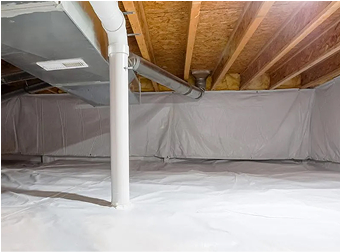
- Crawl spaces and low, hidden areas: can be either, but rodents in crawl spaces are common in Hampton Roads. If you suspect activity there, see our guide on rodents in the crawl space.
Noises
- Mice: lighter, quicker scratching sounds.
- Rats: heavier movement (and sometimes louder thumps), especially in ceilings or attics.
Gnaw Marks and Damage
Both mice and rats gnaw, but rats are larger, so the damage can be more obvious.
If you’re seeing chewed wiring, insulation, or structural materials, take it seriously. Rodent damage can escalate quickly; learn what to look for in Rodent Damage 101.
Smells and “Runways”
Rodents often travel along edges (baseboards, beams, pipes). As they do, they can leave rub marks and odors—especially with rats.
Mice vs. Roof Rats
If you want the fast version, compare mice and roof rats using these practical markers.
Size
- House mice: commonly 5–7 inches (nose to tail)
- Roof rats: commonly 13–18 inches (nose to tail)
Color
- House mice: light brown to gray to black, often with a lighter underside
- Roof rats: sleek, dark brown to black; underside may be gray/white
Body Features
- House mice: large floppy ears, smaller eyes, triangular snout; long thin tail (often slightly hairy)
- Roof rats: large ears, large eyes, pointed snout; long thin tail (typically scaly)
Droppings
- House mice: about ¼ inch, usually pointed at the ends
- Roof rats: about ½ inch, often pointed at the ends
Diet
- House mice: opportunistic (crumbs, grains, insects)
- Roof rats: omnivores; often attracted to fruit, seeds, nuts, pet food, birdseed, and grease
Where They Nest Indoors
- House mice: wall voids, attics, crawl spaces
- Roof rats: elevated areas such as attics, rafters, and false ceilings
Reproduction
- House mice: very rapid; a single female can have ~35 babies/year
- Roof rats: rapid; females can produce multiple litters per year
What to Do if You Suspect a Rodent Problem in Your Hampton Roads Home
Rodents don’t “go away on their own.” Because mice and rats reproduce quickly, what starts as a small problem can become a major infestation.
Here’s a practical, homeowner-friendly approach.
Step 1: Confirm Activity (Without Exposing Your Family)
Look for:
- Fresh droppings
- New gnaw marks
- Shredded nesting material (paper, fabric, insulation)
- Signs of chewing on food packaging
Step 2: Avoid Risky Cleanup Methods
Rodents can contaminate surfaces with urine and droppings. For safer handling and cleanup practices, see the CDC’s guidance on how to clean up after rodents.
For Virginia-specific public health information related to rodents and disease prevention, you can also reference the Virginia Department of Health’s hantavirus fact sheet: Hantavirus pulmonary syndrome (HPS).
Step 3: Eliminate Food and Shelter Sources
Do the basics immediately:
- Store food (including pet food) in sealed containers
- Tighten trash storage and remove outdoor food attractants
- Reduce clutter in garages, pantries, and storage rooms
- Address moisture issues that make crawl spaces more inviting
If you want a deeper look at how rodent activity impacts your living environment, see how rodent infestations can affect your indoor air quality.
Step 4: Get Professional Identification and Exclusion
DIY methods won’t work for mice or rats. Even minor mouse problems can become bigger if handled incorrectly, and rats are especially tricky. Trying it yourself often wastes time, causes stress, and leads to repeat infestations.
With Getem’s rodent control, you can expect:
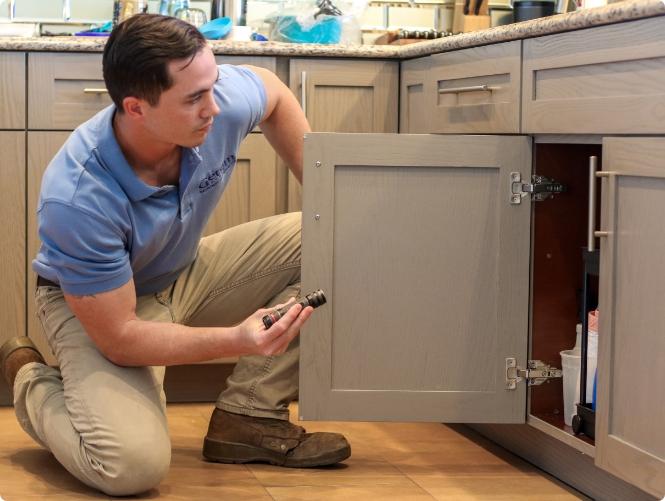
- A thorough inspection to identify the species and severity
- Help locating likely harborages and entry points
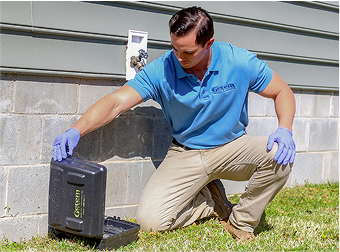
- A customized plan that may include interior traps, exterior bait stations, and exclusion strategies
- Follow-up service to confirm the problem is resolved
Rodent Control for Hampton Roads: Norfolk, Chesapeake, and Virginia Beach
In business since 1922, Getem Services is a locally owned, family-operated pest control company serving Hampton Roads.
If you need help with mice or rats, we provide rodent control across the region, including:
FAQs: Mice vs. Rats
What if I never see a rodent?
That’s normal. You may never see a mouse or rat unless the infestation is severe—signs like droppings, nesting material, and chewing are often the first clues.
Are roof rats the only rats in Virginia?
No. Hampton Roads homes can encounter more than one type of rat. If you want to compare rat species, read roof rats vs. Norway rats.
Do mice and rats use the same entry points?
Sometimes, but mice can fit through smaller gaps. Either way, sealing entry points (exclusion) is one of the most important long-term solutions.
Need Help Identifying Mice or Rats?
If you’re in Hampton Roads and want a clear answer (and a plan that works), reach out to Getem Services for a professional inspection and customized treatment. We also offer ongoing home pest control services that target rodents and other house-infesting pests!


Plan Details
Quarterly pest control services
When you sign up for Getem's residential plan, you'll receive quarterly pest control visits. During each visit, a fully licensed pest control professional will:
- Knock down spider webs & wasps nests (up to one-story)
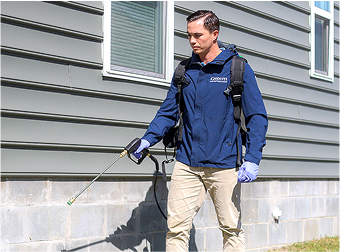
- Create a perimeter barrier to keep pests out of your home
- Check & replenish bait stations, if necessary
- Provide an interior treatment if there's a problem
Covered Pests: Ants, beetles, black widows, cockroaches*, centipedes, earwigs, fleas, mice, millipedes, rats, silverfish, spiders & springtails.
Plans starting as low as
$45/mo
Free Quote Or Call Now! (757) 489-8610
*Plan excludes German roaches, termites, bed bugs, stinging insects, and ticks


Additional Services



Get Help Now!
Request Your Free Quote