How Much Damage Can Termites Really Do to a Virginia Home?
Most homeowners know termites are bad. But when you ask people what termite damage actually costs to fix, the answers get vague fast. "A lot" is not a number. And "structural damage" does not tell you whether you are looking at a weekend repair or a five-figure contractor bill.
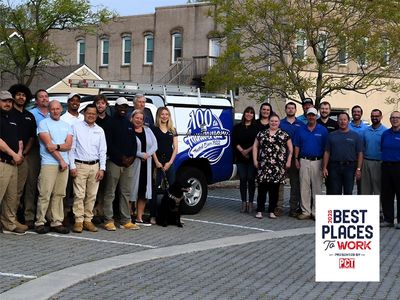
At Getem Services, we have been inspecting and treating homes for termites in Hampton Roads for over 100 years. We have seen everything from minor damage caught early to full structural repairs that took months and cost homeowners tens of thousands of dollars. The difference almost always comes down to time — how long the termites were active before anyone noticed.
If you have ever wondered whether termite damage is really as serious as people say, here is what we want you to understand about the real financial impact.
The Cost of Termite Damage Is Higher Than Most People Think
The NPMA estimates that termite damage across the U.S. runs around $6.8 billion a year. That is not a typo. Billions — every single year. And the majority of that cost falls on individual homeowners, not insurance companies.
For a single home, the average cost to repair termite damage ranges from several thousand dollars for localized damage to well over $10,000 for structural repairs. In severe cases where termites have been active for years without detection, we have seen repair bills climb past $30,000.
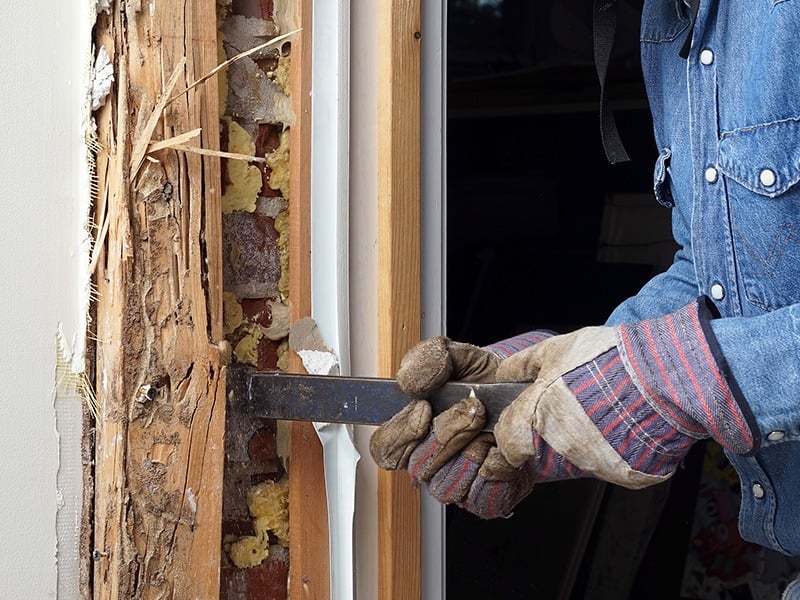
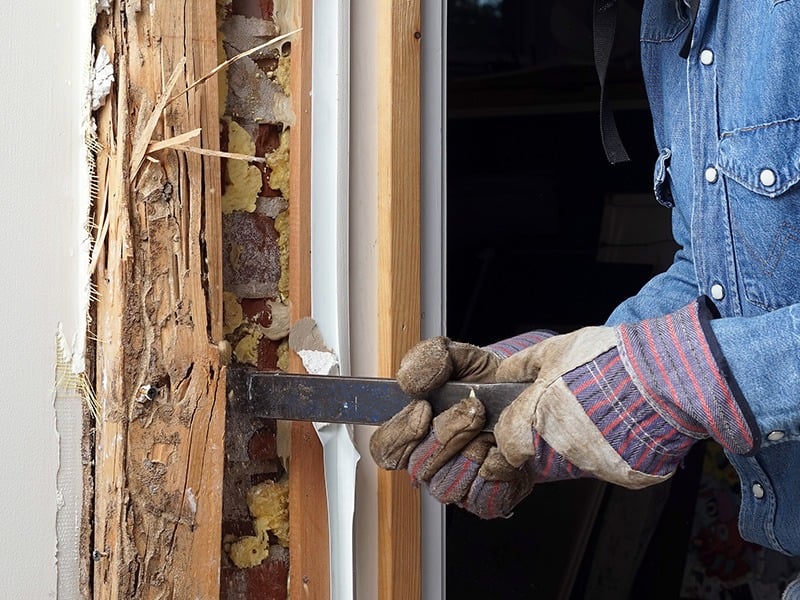
What makes it particularly expensive is that termite damage is rarely a simple fix. Damaged wood often cannot just be patched. It has to be replaced. And getting to that wood can mean tearing out drywall, pulling up flooring, or working in crawl spaces where access is tight and labor is slow.
For many homeowners, the expensive part is not the termite treatment — it is repairing the damage left behind.
What Termite Repairs Actually Involve
This is the part that catches homeowners off guard. Termite repair is not like fixing a leaky faucet. It is structural work, and it often involves multiple contractors and phases.
In homes across Hampton Roads — especially older homes in Norfolk, Chesapeake, and Virginia Beach with crawl spaces — our technicians commonly find termite damage along floor joists, support beams, and sill plates. These are the structural components that hold the house up. When they are compromised, the repairs get serious fast.
Localized damage might mean replacing a section of baseboard, a door frame, or a window frame. The repair is relatively contained and typically costs a few hundred to a couple of thousand dollars. This is the best-case scenario, and it usually means the problem was caught early.
Moderate damage often involves replacing subflooring, repairing sections of framing, and addressing the drywall and trim that had to be removed to access the damaged wood. At this level, you are usually looking at $3,000 to $8,000, depending on the scope and accessibility.
Severe structural damage means replacing floor joists, sill plates, or support beams. This type of repair often requires temporary jacking to support the structure while damaged framing is removed and replaced. Homeowners dealing with this level of damage in Hampton Roads are typically looking at $10,000 to $30,000 or more, and the work can take weeks.
If you are not sure where your home stands, a termite inspection is the fastest way to find out. Our team can assess your property and tell you exactly what we see. Give us a call at (757) 489-8610.
Does Homeowner’s Insurance Cover Termite Damage?
This is the question that changes the math for most people. In almost all cases, the answer is no.
Standard homeowner’s insurance policies do not cover termite damage. Insurance companies classify termite infestations as a preventable maintenance issue, which means the cost of both the treatment and all the repairs comes out of your pocket.
Think about that for a moment. If a pipe bursts and floods your kitchen, insurance covers it. If a tree falls on your roof during a storm, insurance covers it. But if termites spend three years eating the structural framing of your home — damage that can easily hit five figures — you are on your own.
That is a tough reality when you are staring at a contractor's estimate. And it is a big part of why proactive termite protection makes so much financial sense. The cost of ongoing termite monitoring and prevention is a fraction of what a single major repair would run. It is not just pest control. It is protecting your investment.
Why Does Waiting Make Termite Damage So Much Worse?
Termites do not slow down. They do not take a season off. In Virginia’s climate, subterranean termites remain active year-round — even during winter, when indoor heating keeps the soil near foundations warm enough for colonies to keep feeding.
A mature termite colony can contain hundreds of thousands to over a million workers. Those workers consume wood 24 hours a day, 7 days a week. The longer a colony is established in or near your home, the more wood it destroys — and the more expensive the repair becomes.
The most common thing our team hears from homeowners after a termite inspection is "I wish I had done this sooner." By the time they call, there is usually already damage. The homeowners who avoid the repair bills are usually the ones who already have termite protection in place.
Not sure if your home has ever been inspected? That alone is worth a phone call. You can also learn more about common signs of termites in Hampton Roads homes to understand what to watch for between inspections.
Why Hampton Roads Homes Are at Higher Risk
Hampton Roads gives termites almost ideal conditions to thrive. The region stays warm and humid for much of the year, and regular rainfall keeps the soil moist around homes.
Add in sandy coastal soil and mild winters, and subterranean termites can stay active for long stretches of the year. That allows colonies to grow faster and stay hidden longer.
Crawl spaces are extremely common across Norfolk, Virginia Beach, Chesapeake, Suffolk, Portsmouth, and Newport News.
Our technicians see the same pattern over and over: moisture builds up beneath the home, wood stays damp, and termites move in.
Older neighborhoods can be especially vulnerable because aging construction and decades of moisture exposure create easier access to structural wood.
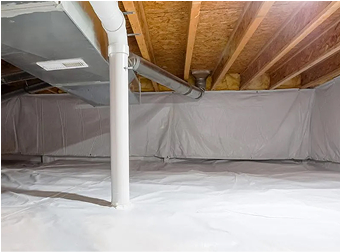
If your crawl space has moisture issues, addressing them is one of the best things you can do to reduce termite risk. Learn more about our crawl space moisture control solutions.
How Does Getem Services Protect Homes From Termites?
We offer two proven termite control solutions, and both are backed by re-treatment guarantees, so you are covered long-term.
Trelona® ATBS® Baiting System
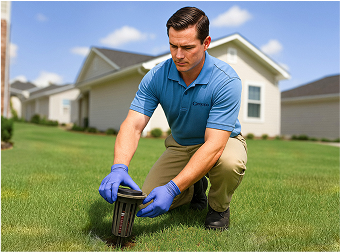
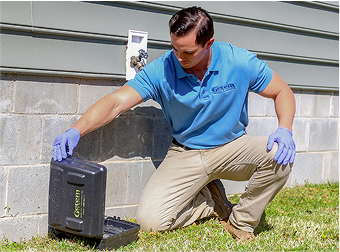
The Trelona baiting system uses stations installed in the ground around the perimeter of your home. These stations intercept termites during their natural foraging.
When termites feed on the bait, they carry it back to the colony and share it with other termites.
Over time, the active ingredient spreads through the colony and eliminates it — including the queen.
Your coverage stays active as long as you maintain payments and yearly inspections.
Termidor® Liquid Treatment
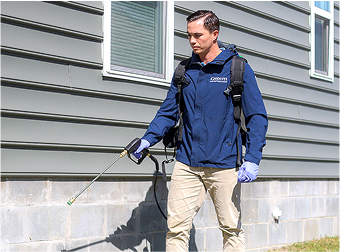
Termidor liquid treatment creates a treated zone in the soil around your home’s perimeter.
Termites cannot detect Termidor. They pass through the treated soil and carry the product back to the colony through normal contact with other termites.
This is what makes Termidor so effective — the termites do the work of distributing the product through the entire colony.
Our Termidor treatment comes with a 10-year re-treatment guarantee as long as annual inspections are maintained.
Both approaches are effective, and the right choice depends on your home, your property, and whether there is active termite activity. Our team will inspect your home, explain what we find, and recommend the approach that makes the most sense for your situation.
Compared to a major structural repair, ongoing termite protection is the more affordable option.
Protect Your Biggest Investment
Your home is probably the most valuable thing you own. Termites put that investment at risk in a way that is slow, silent, and expensive to fix after the fact. But it is also one of the most preventable problems in homeownership.
Getem Services has been protecting Hampton Roads homes from termites since 1922. We are a locally owned, family-operated company with a 4.9-star rating from over 3,800 reviews, and termite control has been part of our company since the beginning.
Whether you need a termite inspection, want to start a protection plan, or just want to know where your home stands — we are here to help. Contact us online today or call us at (757) 489-8610.
Frequently Asked Questions About Termite Damage in Virginia
How long does it take for termites to cause serious damage?
That depends on the size of the colony and how long the termites go unnoticed. In many cases, termites can remain hidden for months or even years before homeowners realize there is a problem. The longer they stay active, the more structural damage they can cause.
What time of year are termites most active in Virginia?
Subterranean termites stay active year-round in Virginia, but swarm season usually peaks in the spring. In Hampton Roads, the region’s mild winters and coastal moisture allow termite colonies to remain active for much of the year.
Can termites damage brick homes?
Yes. Termites do not eat brick, but they can still enter through cracks in foundations, expansion joints, crawl spaces, and other openings to reach the wooden framing inside the home.
Can termites come back after treatment?
They can if the home is not monitored and protected long-term. That is why ongoing termite protection and annual inspections are so important. Professional termite treatments are designed to eliminate active colonies while helping prevent future infestations.
Schedule Your Termite Inspection Today
Do not wait until you find damage to find out you have termites. Getem Services offers thorough termite inspections across Hampton Roads, including Norfolk, Virginia Beach, Chesapeake, Suffolk, Portsmouth, Newport News, and Hampton. Contact us today or call (757) 489-8610 to schedule yours.


Additional Services


Get Help Now!
Request Your Free Quote