One Tick Bite Could Change the Way You Eat: Alpha-Gal Syndrome in Virginia
Imagine sitting down to dinner, eating a burger, and waking up hours later with hives, stomach cramps, or trouble breathing. For a growing number of Virginians, that scenario is real — and the cause isn't a food sensitivity they were born with. It's a tick bite.
Alpha-gal syndrome is a condition triggered by the bite of a lone star tick, and it can cause a delayed allergic reaction to red meat and other mammal-derived products. Getem Services has received more questions about alpha-gal syndrome and lone star ticks in recent years.
What makes alpha-gal different from most tick-related health problems is that it doesn't make you sick in the traditional sense. Instead, it can leave you reacting to foods you've eaten your entire life, and many people don't connect those reactions to a tick bite until months later.

What Is Alpha-Gal Syndrome?
Alpha-gal syndrome — sometimes called the "red meat allergy" — is one of the strangest health problems linked to tick bites. A bite from a lone star tick can cause some people to develop allergic reactions to foods they've eaten their entire lives, including beef, pork, and lamb.
For some people, it starts with unexplained hives or stomach problems after dinner. Others experience more serious reactions. What makes alpha-gal especially confusing is that symptoms often don't appear right away. Someone might enjoy a burger at a backyard cookout, feel perfectly fine, and then wake up hours later wondering what went wrong.
Unlike many food allergies, which typically begin in childhood, alpha-gal can develop in adults who have never had food allergies before. And while some people see their symptoms improve over time, especially if they avoid future tick bites, others deal with the condition for years.
That's what makes alpha-gal syndrome so unusual. A single tick bite can leave you looking at everyday foods in a completely different way.
How Alpha-Gal Syndrome Can Change Everyday Life
For people with alpha-gal syndrome, the challenge goes beyond avoiding a few foods. Everyday activities like dining out, attending cookouts, traveling, or even picking up groceries can require extra planning. Ingredients that most people never think about may suddenly become a concern.
Because reactions can be severe, many people carry emergency medication and become much more cautious about what they eat. Some also find themselves paying closer attention to future tick exposure, knowing that additional lone star tick bites may worsen or prolong their sensitivity.
This is what makes alpha-gal syndrome different from many other tick-related health concerns. A single tick bite can have lasting effects that continue long after the bite itself is forgotten.
Why Virginia Is the National Epicenter for Alpha-Gal
Virginia isn't just affected by alpha-gal syndrome — it's the hardest-hit state in the country.
According to CDC data, Virginia has some of the highest alpha-gal syndrome rates in the United States. Charlotte County has the highest suspected case rate per capita in the country.
Bedford County ranks among the highest counties nationwide for total suspected cases.
Academic research out of Central Virginia also shows that roughly 16% of people in that region are immunologically sensitized to the alpha-gal molecule.
Virginia has also responded by making alpha-gal syndrome an officially reportable disease under the Virginia Board of Health. Doctors and laboratories across the state are now legally required to report new positive cases, putting Virginia at the forefront of tracking a condition that has gone underrecognized for years.
CDC data also shows that tick-bite-related ER visits have reached their highest levels since 2017. As tick encounters increase across Virginia, so does the potential for new alpha-gal cases.
Why Hampton Roads Homeowners Are Especially at Risk
The lone star tick is the species responsible for alpha-gal syndrome, and it's one of the most common ticks in Hampton Roads.
While blacklegged ticks — the ones that spread Lyme disease — often get the most attention, lone star ticks are a major concern for homeowners across Norfolk, Virginia Beach, Chesapeake, and the surrounding area. They're aggressive, active from early spring through late fall, and more likely to bite humans than many other tick species.
Hampton Roads' landscape creates ideal conditions for lone star ticks to thrive. Suburban neighborhoods with mature tree cover, properties that border wooded areas or parks, and the region's warm, humid climate all contribute to a tick population that remains active for much of the year.
Why Lone Star Ticks Are a Bigger Threat Than Many People Realize
There's a common assumption that lone star ticks are the "less dangerous" species because they don't typically transmit Lyme disease. That thinking is outdated and misses the bigger picture.
Beyond alpha-gal syndrome, lone star ticks also carry ehrlichiosis and Rocky Mountain spotted fever — both serious bacterial infections. And while AGS isn't an infection in the traditional sense, it can be life-altering. People who develop it have to overhaul their diet, read every ingredient label, and carry an EpiPen in case of a severe reaction. Some even react to medications and surgical products that contain mammal-derived ingredients.
The other thing that sets lone star ticks apart is their behavior. Unlike blacklegged ticks, which wait passively on vegetation, lone star ticks actively pursue hosts. They're drawn to movement and carbon dioxide, which means they'll come to you rather than waiting for you to walk past them. A family spending an afternoon in the backyard is an easy target — and in Hampton Roads, the ticks most likely to find them are lone stars.
How Getem's Seasonal Program Reduces the Risk
Personal prevention — wearing repellent, doing tick checks, and showering after being outside — are all smart habits. But they don't reduce the number of ticks living on your property, and they can't stop the ones that hitch a ride on your dog before making their way to you.
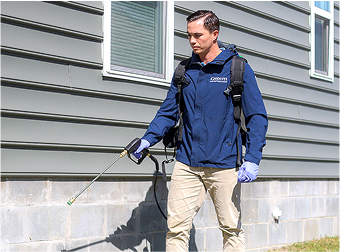
At Getem Services, our seasonal pest program targets lone star ticks — along with mosquitoes and fleas — where they actually live on your property. Our technicians apply misting treatments every three weeks from March through September, focusing on the shaded edges, fence lines, overgrown vegetation, and transition zones between your lawn and wooded areas. Those are exactly the spots where lone star ticks stage and wait for a host to walk by.
A consistent treatment schedule throughout the season keeps tick populations knocked back before they have a chance to establish themselves.
If you've been pulling ticks off your family or your pets after time spent in your own yard, that's a sign the population is already built up — and it’s time for a better solution. Contact our local pest control team for assistance.
Frequently Asked Questions
Can alpha-gal syndrome be cured?
There is currently no cure for alpha-gal syndrome. However, some people see their sensitivity improve over time, especially if they avoid additional lone star tick bites.
Can alpha-gal cause reactions to things other than red meat?
Yes. Some people react to dairy products, gelatin-based medications, and even certain surgical materials derived from mammals. Reactions vary widely from person to person, which is part of what makes AGS so difficult to manage.
Are children at risk for alpha-gal syndrome?
They are. While most diagnosed cases involve adults, any person bitten by a lone star tick can develop the condition. Children who play in yards bordering wooded areas in Hampton Roads are particularly exposed to lone star tick bites.
When are lone star ticks most active in Hampton Roads?
Lone star ticks are most active from spring through fall, with activity typically peaking between April and September. However, Hampton Roads' mild climate allows them to remain active much later into the year than many homeowners expect, especially during warmer winter periods.
Take Control of Your Yard
Alpha-gal syndrome is one more reason to take tick activity on your property seriously — especially in a state where the condition is more prevalent than anywhere else in the country.
For over 100 years, Getem Services has been protecting Hampton Roads families, and we’re ready to help you protect yours from ticks.
Request a free quote or give us a call to learn how our mosquito, flea, and tick control program helps reduce biting pests throughout the season.


Additional Services






Get Help Now!
Request Your Free Quote