German Cockroach Control in Hampton Roads Homes and Businesses
Why German Cockroaches Are an Indoor Problem
Many of the large cockroaches Hampton Roads residents find indoors originated outside or in crawl spaces, drains, sewer systems, and other damp areas around the structure. Something large and reddish-brown may appear near a drain, slip under a garage door, or move inside from a crawl space after wet weather.
German cockroaches are different.
They are usually carried indoors and then establish themselves close to food, water, and warmth. They hide behind dishwashers, inside cabinet hinges, beneath appliances, and in narrow gaps around countertops and plumbing. By the time you spot one in the open, others are usually hiding nearby.
Getem Services has been dealing with cockroaches in Norfolk, Chesapeake, Virginia Beach, and across Hampton Roads for more than 100 years. German cockroaches often generate urgent calls because they reproduce quickly and are particularly difficult for homeowners and business owners to eliminate on their own.
How to Tell a German Cockroach From Other Roaches
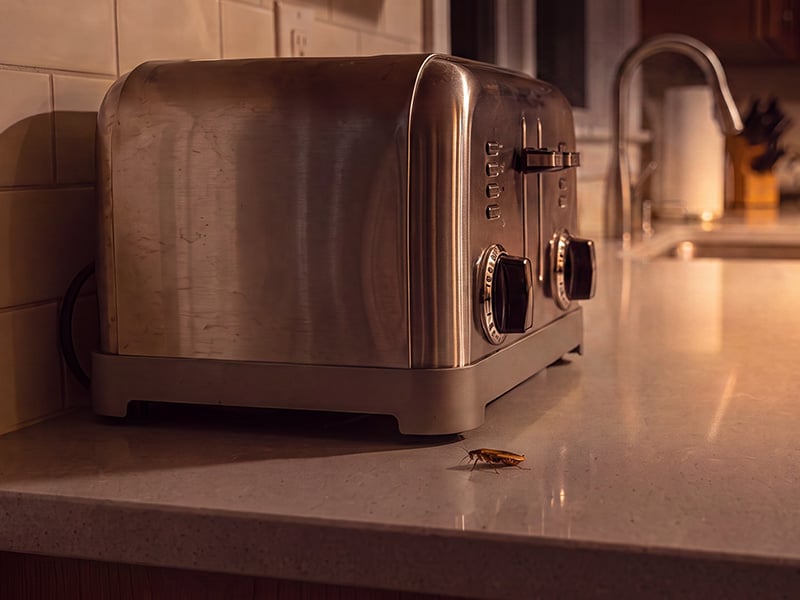
Size and markings are the fastest ways to identify an adult German cockroach. Adults are small, usually about half an inch to five-eighths of an inch long, and light brown or tan. Two dark, parallel stripes run along the area directly behind the head.
Adults have wings, but they rarely fly.
German cockroach nymphs are smaller and much darker than the adults, often appearing dark brown or nearly black. Instead of the adult’s two dark stripes, younger roaches typically have a lighter stripe or patch running down the center of the back.
Compare them with two other cockroaches Getem’s technicians commonly encounter:
American cockroaches are much larger and reddish-brown. They are often called water bugs in Hampton Roads and are commonly associated with crawl spaces, sewer systems, drains, and outdoor areas around buildings.
Oriental cockroaches are dark brown to nearly black and have a shinier appearance. They tend to remain close to cool, damp areas such as basements, drains, crawl spaces, and stacked firewood.
If the adult roach is small, tan, and marked with two dark stripes behind its head—or you are finding very small, dark nymphs in the kitchen or bathroom—German cockroaches are the likely culprit.
That distinction matters because German cockroaches require a different treatment approach from species that primarily originate outdoors.
Why German Cockroaches Multiply So Quickly
German cockroach populations can grow rapidly under suitable indoor conditions.
A female carries her egg capsule until shortly before the young hatch. This protects the eggs while she moves through cabinets, appliances, wall voids, and other hiding places. Each capsule can contain dozens of nymphs, and those nymphs can mature and begin reproducing within a matter of weeks.
Warm indoor temperatures, readily available food, and moisture around sinks, appliances, plumbing, and drains allow the population to keep developing throughout the year.
That is why a German cockroach infestation can seem to appear overnight. In reality, the population may have been growing quietly inside an appliance, a cabinet void, or a wall opening for weeks before enough roaches ventured into the open to be noticed.
Where German Cockroaches Hide
The roach you see is rarely where most of the population lives.
German cockroaches prefer tight, warm, dark spaces close to food and water. Their flat bodies allow them to squeeze into openings that are easy to overlook during ordinary cleaning.
Getem technicians may find them in places such as:
-
The motor compartment beneath a refrigerator
-
Along refrigerator door gaskets
-
Inside dishwasher frames and insulation panels
-
Beneath coffee maker drip trays
-
Inside toaster ovens and other countertop appliances
-
In cabinet joints, hinge holes, and drawer tracks
-
Behind plumbing escutcheon plates beneath sinks
-
Around microwave motors, especially in over-the-range units
-
Behind ranges and beneath cabinet toe kicks
Bathrooms can also support German cockroach activity. A warm vanity cabinet with plumbing openings, condensation, or a slow supply-line leak provides moisture and shelter close together.
Commercial infestations may extend into kitchen equipment, storage areas, break rooms, utility spaces, delivery areas, and adjoining rooms or units.
Signs of German Cockroach Activity
German cockroaches are primarily active at night, so the number you see does not necessarily reflect the size of the infestation.
In addition to live adults and nymphs, watch for:
-
Small, pepper-like droppings inside drawers and cabinets
-
Dark spotting or smears near cracks and hiding places
-
Shed skins collected inside appliance or cabinet voids
-
Egg capsules in protected areas
-
A persistent musty odor during heavier infestations
Frequent daytime sightings can indicate that the population has grown large enough to push some roaches out of their usual hiding places. Roaches may also become more visible after their harborage has been disturbed or treatment has begun.
Finding small nymphs is another strong sign that German cockroaches are reproducing inside the property rather than occasionally being carried in.
How German Cockroaches Get Inside
German cockroaches do not typically migrate into buildings from lawns or landscaping. They are carried indoors on belongings, products, and deliveries.
Common entry routes include:
-
Cardboard boxes
-
Grocery bags and food packaging
-
Appliance deliveries
-
Used furniture
-
Backpacks and personal belongings
-
Laundry and stored clothing
-
Restaurant or grocery deliveries
-
Items moved between apartments or shared buildings
This is one reason German cockroach infestations are especially challenging in apartments, condos, hotels, healthcare facilities, and other properties with shared walls. The visible activity in one room or unit may be connected to a larger problem elsewhere in the building.
Once inside, German cockroaches need only small amounts of food, water, and shelter. Crumbs beneath cabinets, grease behind a range, leaking plumbing, pet food, cardboard, and clutter can all help sustain them.
They can also feed on materials people do not normally think of as food, including soap residue, toothpaste, and adhesives used on packaging.
Why Store-Bought Roach Products Often Fall Short
Contact aerosols kill only the cockroaches that the product directly reaches. Total-release foggers also tend to miss the narrow cracks, appliances, cabinet voids, and wall openings where most of the population is hiding.
Some repellent products can drive surviving cockroaches into new hiding places, making the infestation more difficult to track and treat. Overusing sprays can also interfere with bait by contaminating nearby surfaces or discouraging roaches from feeding where the bait has been placed.
Bait can be effective, but placement matters. It must reach active hiding areas, remain uncontaminated, and compete successfully with other food available in the room. Treatment also has to account for newly hatched nymphs that were protected inside egg capsules during the initial application.
These factors are why German cockroach infestations often continue despite repeated use of grocery-store sprays, foggers, traps, and baits.
German Cockroach Treatment Is a Separate Service
Getem’s quarterly residential pest control plan covers a broad range of common household pests, including several cockroach species. German cockroaches, however, are specifically excluded and handled through a separate, targeted service.
That distinction reflects the work required to eliminate an infestation.
Quarterly pest control is primarily designed to reduce pest activity around the structure and prevent outdoor pests from moving indoors. A German cockroach infestation is already established inside and typically requires:
-
A detailed interior inspection
-
Treatment inside active harborage areas
-
Precise placement around appliances, cabinets, and plumbing
-
Customer preparation and sanitation steps
-
Follow-up visits based on the level of activity
-
Continued evaluation for newly hatched nymphs
Once the active German cockroach infestation has been eliminated, homeowners can also choose quarterly pest control for American cockroaches, Oriental cockroaches, ants, spiders, mice, silverfish, and other covered pests.
How Getem Treats German Cockroach Infestations
Treatment begins with an inspection rather than a broad application.
A licensed Getem professional examines the kitchen, bathrooms, laundry area, break rooms, food-storage spaces, and other locations where food, warmth, and water are present. The inspection may include appliances, cabinet voids, plumbing penetrations, cracks, utility areas, and adjoining spaces.
This helps the technician determine:
-
Which cockroach species is present
-
Where the primary harborages are located
-
How far the infestation has spread
-
Which food and moisture conditions are supporting it
-
Whether the activity may be coming from a neighboring room or unit
The technician then treats active hiding places and travel routes with targeted applications in cracks, voids, and other harborage areas rather than applying products unnecessarily broadly.
Customers may also receive preparation and sanitation instructions based on the inspection's findings. These steps may include repairing leaks, removing cardboard, reorganizing food storage, cleaning grease or crumbs, and clearing access to specific cabinets or appliances.
Follow-up visits allow the technician to evaluate the response, address newly hatched nymphs, and adjust treatment when activity remains.
German Cockroach Control for Hampton Roads Businesses
German cockroaches are especially serious in restaurants, commercial kitchens, break rooms, grocery operations, healthcare facilities, apartments, hotels, and other buildings where food, moisture, shared walls, or frequent deliveries are present.
Even limited activity can result in customer complaints, contaminated products, inspection concerns, or movement into neighboring rooms and units.
Getem Services develops commercial cockroach-control programs around the property’s operating hours, sanitation requirements, inspection standards, and areas of activity. Treatment may include:
-
Kitchens and food-preparation areas
-
Storage and receiving rooms
-
Employee break rooms
-
Utility and mechanical spaces
-
Equipment voids
-
Adjoining rooms, units, or shared plumbing areas
Because German cockroaches can arrive in deliveries and move through connected spaces, ongoing monitoring is particularly important in food-handling, hospitality, healthcare, and multifamily environments.
Reducing Food, Water, and Hiding Places
Professional treatment does most of the work, but correcting the conditions that support cockroach activity helps treatment succeed and reduces the likelihood of another infestation.
The most valuable steps include:
-
Repair dripping supply lines, leaking traps, slow drains, and other plumbing problems.
-
Store cereal, pet food, flour, and other dry goods in sealed containers.
-
Wipe grease from the sides and back of the range.
-
Remove crumbs from beneath cabinet toe kicks and appliances.
-
Run the dishwasher instead of leaving dirty dishes soaking overnight.
-
Store pet food overnight and clean spills around feeding areas.
-
Break down and remove cardboard rather than storing it indoors.
-
Inspect used appliances, furniture, grocery cartons, and deliveries before bringing them into kitchens or food-storage areas.
-
Seal openings around plumbing penetrations and cabinet voids.
-
Reduce unnecessary paper, bags, and clutter near food and water.
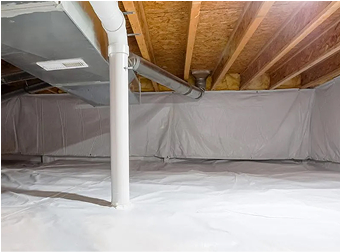
If damp conditions beneath the home are contributing to moisture indoors, professional moisture control may also help address the larger problem.
German Cockroach FAQs
Can German roaches live in a home with no visible food?
Yes. German cockroaches can survive on small amounts of grease, crumbs, soap residue, toothpaste, packaging adhesive, and other organic material. A kitchen that looks clean can still support activity in hidden areas.
You can learn more here: Should I Worry If I See One Cockroach?
Do I need to empty my kitchen cabinets before treatment?
Not always. Your technician may ask you to clear specific lower cabinets, drawers, countertops, or appliance areas so active hiding places can be inspected and treated. Getem will provide preparation instructions based on the infestation and treatment plan.
Why am I seeing more roaches right after treatment?
A temporary increase in visible activity can happen after treatment disturbs hiding areas, although not every customer will notice it. Follow the technician’s instructions and contact Getem if the activity does not begin to decline as expected.
Are German cockroaches a health concern?
Yes. German cockroaches can contaminate food and surfaces as they move through unsanitary areas. Proteins in their droppings, saliva, and shed body parts can also trigger allergic reactions and worsen asthma symptoms in sensitive individuals.
Do German cockroaches go away during cooler weather?
No. German cockroaches live and reproduce inside heated buildings, so established infestations can remain active throughout the year. Seasonal temperature changes outdoors have little effect on a population living in a kitchen, bathroom, apartment, or commercial facility.
For more information about local species and seasonal activity, see Are Roaches a Problem in Virginia?
Get Help With German Cockroaches
Smal cockroaches in a kitchen, bathroom, break room, or commercial food area should not be ignored.
Contact Getem Services to schedule an inspection in Hampton Roads. We will identify the cockroach species, locate activity, and explain the targeted treatment and follow-up required to eliminate the infestation.


Additional Services



Get Help Now!
Request Your Free Quote