Roof Rats vs. Norway Rats: Which One Is in Your Hampton Roads Home?
Homeowners in Hampton Roads and the Tidewater Region of Virginia often discover rat activity when they hear scratching in the attic, find droppings in storage areas, or notice damage around the home. In coastal Virginia communities, most of these issues involve roof rats, though Norway rats do show up in certain situations.
Understanding the difference between roof rats and Norway rats helps homeowners pinpoint where rats are nesting, how they’re getting inside, and what it takes to prevent repeat problems.
Roof Rats and Norway Rats: A Quick Summary for Homeowners
Roof rats are agile climbers that prefer high places, such as attics, roofs, and trees.
Norway rats are larger, ground-dwelling rodents that burrow and stay close to foundations and crawl spaces.
In coastal Hampton Roads and Tidewater communities, roof rats are far more common due to mild winters, dense neighborhoods, mature trees, and easy access to rooflines.

What Is a Roof Rat?
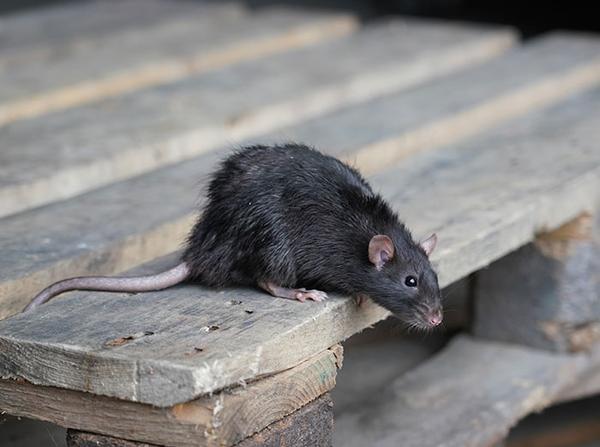
A roof rat (Rattus rattus), sometimes called a black rat, is a small, slender rat known for its climbing ability. Roof rats are common in coastal Virginia, especially in neighborhoods with trees, fences, and utility lines that allow easy access to rooftops.
Roof Rat Characteristics
-
Slim body with dark brown or black fur
-
Tail longer than the body
-
Large ears and a pointed nose
-
Excellent climber
Where Roof Rats Nest
-
Attics
-
Rooflines and soffits
-
Wall voids
-
Trees and dense landscaping near the home
Roof rats are nocturnal and are most often heard moving through ceilings or walls at night.
What Is a Norway Rat?
A Norway rat (Rattus norvegicus), also called a brown rat or sewer rat, is a larger, heavier rodent that prefers ground-level environments.
Norway Rat Characteristics
-
Stocky body with brown or gray fur
-
Blunt nose and smaller ears
-
Tail about the same length or shorter than the body
-
Strong digger
Where Norway Rats Nest
-
Crawl spaces
-
Garages and basements
-
Burrows near foundations
-
Under sheds or concrete slabs
Where Hampton Roads Homeowners Typically Find Each Rat
Roof Rats (Upper Levels)
-
Attics and ceiling spaces
-
Roof edges and vents
-
Homes with overhanging branches
-
Neighborhoods with dense tree cover
Norway Rats (Ground Level and Below)
-
Crawl spaces and basements
-
Garages and storage areas
-
Burrows along foundations
-
Under sheds, decks, and slabs
Why Roof Rats Are More Common in Coastal Virginia
Roof rats, sometimes called ship rats, have a long history in port and waterfront communities. Their climbing ability allowed them to spread through ships, docks, warehouses, and nearby neighborhoods, a pattern that still influences where they’re most common today.
In Hampton Roads and other Tidewater communities, several conditions continue to favor roof rats:
-
Port activity and waterfront development
-
Mild coastal winters that allow year-round activity
-
Mature trees and dense neighborhoods with easy roof access
-
Vertical structures that match their natural climbing behavior
Because roof rats prefer elevated nesting sites, coastal communities naturally support larger roof rat populations.
Virginia’s Rat Season: When Activity Increases
Rats are active year-round in Hampton Roads, but homeowners tend to notice them most in the fall. As temperatures cool, both roof rats and Norway rats begin searching for warm, sheltered indoor spaces, including attics, crawl spaces, garages, and wall voids.
Signs of Roof Rats vs. Norway Rats
Common Signs of Roof Rats
-
Scratching or running sounds in the attic
-
Droppings near stored items
-
Chewed insulation or wiring
-
Activity that seems to come from above
Common Signs of Norway Rats
-
Burrows near the foundation
-
Ground-level droppings
-
Activity in crawl spaces or garages
-
Strong odors near nesting sites
Why Identifying the Right Rat Matters
Roof rats and Norway rats require different control and prevention strategies.
-
Roof rat control focuses on attics and elevated entry points
-
Norway rat control focuses on burrows, crawl spaces, and ground-level access
Treating the wrong species often leads to continued activity and repeat infestations.
How Rats Commonly Enter Hampton Roads Homes
-
Gaps around roof vents and soffits
-
Foundation cracks and crawl space openings
-
Utility lines and pipes
-
Damaged siding or fascia
Even small openings can allow rats inside.
How to Help Prevent Rats Around Your Home
Homeowners can reduce rat activity by:
-
Sealing roofline and foundation gaps
-
Trimming trees away from the roof
-
Securing trash and pet food
-
Reducing dense landscaping near the home
-
Keeping attics and crawl spaces clean and dry
When to Contact Getem Services for Rodent Control
If you’re seeing signs of rat activity, early action can prevent costly damage. Getem Services provides professional rodent control for Hampton Roads homeowners, including:
-
Species identification (roof rats vs. Norway rats)
-
Targeted trapping and removal
-
Entry point sealing and exclusion work
-
Customized plans to reduce ongoing rat activity
Many homeowners opt for quarterly pest control services to stay ahead of rodent issues and other common house-infesting pests, such as ants, earwigs, fleas, and seasonal invaders. This approach is especially helpful in areas with year-round rodent pressure.
If you have questions or need an inspection, the team at Getem Services is happy to help.
Roof Rats and Norway Rats FAQs
Do roof rats only stay in attics?
No. Roof rats are most commonly found in attics; however, they also nest in wall voids and other high, secluded areas. They may also infest garages, sheds, and may use burrows or nest in ground-level areas if high sites aren’t available.
Do roof rats and Norway rats live in the same house?
It’s uncommon, but possible. Roof rats prefer upper levels, while Norway rats stay at ground level or below.
What kind of rat runs along fences or walls?
That behavior usually points to roof rats. They prefer to travel along fences, walls, tree branches, and utility lines rather than crossing open ground, especially in coastal neighborhoods.
Should I worry if I saw one rat?
It’s worth taking seriously, but there’s no need to panic. Rats rarely live alone, so a single sighting may indicate others are nearby. Early inspection and prevention make the problem much easier to control.
What to Do If You Suspect Rats in Your Home
If you notice signs of rats in your attic, crawl space, or around your foundation, early identification is key. Determining whether you’re dealing with roof rats or Norway rats helps guide the right solution and prevent long-term damage.
Locally owned and family-operated, Getem Services has been protecting Hampton Roads homes and businesses since 1922. Reach out today to schedule an inspection or ask questions; we’re happy to help.


Additional Services


Get Help Now!
Request Your Free Quote