Termite Swarm Season in Hampton Roads, VA: When It Happens and What To Do
If you’ve ever noticed a sudden burst of “flying ants” near a window or light fixture in your home, you’re not alone. In Hampton Roads — including Virginia Beach, Norfolk, Chesapeake, Suffolk, Newport News, and Portsmouth — those winged insects are often termite swarmers (also called alates). For many property owners, swarm season is the first sign that termites may be active nearby.

When Do Termites Swarm in Hampton Roads?
In coastal Virginia, termite swarm season typically runs from March through June, especially after warm rainfall and rising humidity.
If you see swarmers inside your home, it may indicate an active termite colony in or under the structure and should be inspected promptly.
What Is a Termite Swarm? (And Why Termites Swarm in Coastal Virginia)
A termite swarm occurs when a mature termite colony releases winged reproductive termites. Their purpose is to leave the colony, pair up, and establish new colonies elsewhere.
Swarming itself doesn’t cause structural damage — worker termites do that — but swarming is often a visible warning sign that termites are active in the area.
In Hampton Roads, the primary concern is subterranean termites. These termites live in the soil and commonly enter structures through:
- Foundation cracks
- Expansion joints
- Utility penetrations
- Crawl space gaps
Because many homes in Virginia Beach, Norfolk, and surrounding areas have crawl spaces and higher ground moisture, subterranean termite pressure remains consistent year after year.
When Termites Are Most Likely to Swarm in Hampton Roads, VA
In the Hampton Roads region, swarming most commonly occurs:
- March through June
- During the first consistently warm stretch of spring
- After rainfall followed by warm, calm weather
Humidity, coastal air patterns, and damp soil create ideal conditions for swarming in this part of Virginia.
Swarm timing can vary slightly from year to year, but spring is the peak window.
What Triggers Termite Swarming in the Tidewater Region?
Termite swarms are usually triggered by a specific combination of environmental conditions:
- Warmer daytime temperatures
- Increased humidity
- Rainfall followed by sunshine
- Calm air conditions
- Daylight hours (many subterranean termites swarm during the day)
This is why homeowners often notice swarmers on warm afternoons shortly after a rain event.
Even if you haven’t seen swarmers yet this season, termites can still be active beneath the soil or inside structural wood.
Termite Swarmers vs. Flying Ants: How to Tell the Difference
At a glance, swarmers can look like flying ants. However, there are differences in their body shape, antennae, and wings.
For an in-depth comparison, check out our recent article, Termite or Ants? How to Tell the Difference and What to Do Next
Do Termite Swarms Mean I Have an Infestation in Hampton Roads?
Seeing swarmers outdoors does not automatically mean your home is infested.
However, seeing swarmers indoors — or finding piles of shed wings on windowsills — is more concerning.
Indoor swarming often suggests:
- An active termite colony inside the structure
- Termites in a crawl space
- Termites entering through foundation gaps
- Ongoing structural activity
It does not automatically mean severe damage has occurred, but it does mean the situation should be evaluated professionally.
Subterranean termites can cause significant structural damage long before it’s visible. Termite damage is also rarely covered by homeowners insurance, which makes early detection especially important.
In Virginia, termite inspections are also commonly required during real estate transactions, so early detection helps protect both your property value and resale process.
What To Do If You See Termite Swarmers in Your Hampton Roads Home
If you notice swarmers, here’s what to do:
1. Don’t Rely on Spraying Alone
Spraying visible swarmers may reduce the immediate nuisance but does not eliminate the colony. The goal is identification and structural assessment.
2. Collect a Sample or Take Clear Photos
If possible:
- Capture several insects in a small container or sealed bag
- Or take clear, well-lit photos (include wings and antennae)
Accurate identification is critical.
3. Vacuum Swarmers and Save Shed Wings
Vacuuming is effective for cleanup. If you find wings near windows or doors, save a few or photograph them.
4. Check High-Risk Areas
Without disturbing structural components, look for:
- Mud tubes along foundation walls
- Crawl space moisture issues
- Wood-to-soil contact
- Areas with past leaks or damp framing
Coastal humidity and crawl space moisture in Hampton Roads homes can increase termite risk over time.
5. Schedule a Professional Termite Inspection
If swarmers are indoors, or if you are unsure, scheduling a professional inspection is the best course of action.
An inspection can determine:
- Whether termites are active
- Whether the structure is at risk
- What level of protection is recommended
- Whether preventative treatment is advisable
Early detection helps prevent extensive structural repairs later.
If you’re seeing swarmers indoors, schedule your Hampton Roads termite inspection now to confirm whether your home is protected.
Termite Control in Hampton Roads: Why Homeowners Choose Getem
In Virginia’s Tidewater region, termite pressure isn’t seasonal — it’s year-round. Swarm season simply makes the activity visible.
At Getem, we help homeowners in Virginia Beach, Norfolk, Chesapeake, Suffolk, Newport News, Hampton, and Portsmouth identify termite activity early and implement long-term protection strategies designed for coastal Virginia conditions.
Because most homes in our region have crawl spaces and higher moisture levels, termite control requires more than surface treatment. It requires a structural approach.
What to Expect From a Getem Termite Inspection
When you schedule an inspection with Getem, we:
- Identify whether swarmers are termites or ants
- Check crawl spaces, foundations, and high-risk areas
- Look for mud tubes, moisture issues, and wood damage
- Determine whether termites are active
- Provide clear findings and next-step recommendations
You’ll get straightforward answers — not guesswork.
Our Termite Control Options
Depending on your property and risk level, termite control services may include:
Liquid Soil Treatments
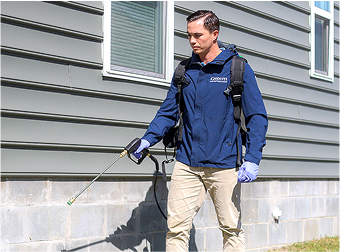
A protective barrier applied around the foundation to eliminate and prevent subterranean termite movement.
Termite Baiting Systems
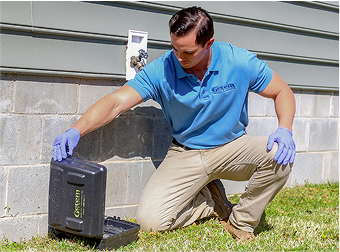
Installed in the soil to monitor activity and eliminate colonies over time.
Crawl Space Moisture Control in Hampton Roads VA
Excess crawl space moisture fuels termite activity and creates a hospitable environment for other insects and rodents. In Hampton Roads’ warm, humid climate, managing moisture under your home is often one of the most effective ways to reduce pest pressure and long-term risk.
At Getem, moisture control services begin with a thorough crawl space inspection to identify trapped moisture, poor ventilation, and early signs of mold, mildew, or pest attraction. Based on that assessment, Getem’s team develops a customized moisture management plan that can include:
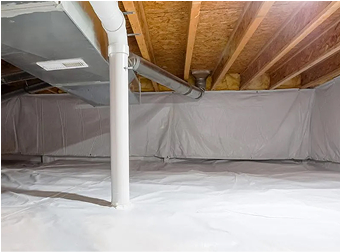
- Installation of a vapor barrier to block ground moisture
- Dehumidifier installation and crawl space conditioning
- Encapsulation to seal out moisture and humidity
- Sanitation, insulation updates, and access improvements
These moisture control solutions not only help deter termites but also make your crawl space healthier and less appealing to other pests.
Concerned about moisture in your crawl space? Request a no-obligation quote today!
Why Early Termite Control Matters
Subterranean termites work behind walls and below floors. By the time visible damage appears, structural repairs can become significantly more expensive.
Early inspection and protection:
- Reduces structural risk
- Protects property value
- Supports real estate transactions (WDI inspections are common in Virginia)
- Prevents small issues from becoming major repairs
Swarmers are often the first warning sign. Acting quickly protects your investment.
Seen Termite Swarmers? Here’s Your Next Step.
If you've seen swarmers indoors — or you're unsure what you’re dealing with — don’t guess.
Let Getem confirm what’s happening and provide a clear plan to protect your home.
Schedule your Hampton Roads termite inspection with Getem and get clear answers and a customized protection plan for your home.
How to Reduce Termite Risk Around Your Hampton Roads, VA Property
While you can’t eliminate regional termite pressure, you can reduce conducive conditions:
- Repair roof, plumbing, and HVAC leaks promptly
- Improve crawl space ventilation and moisture control
- Keep mulch and soil below the siding level
- Avoid wood-to-soil contact
- Store firewood away from the foundation
- Ensure proper drainage around the home
Moisture control is especially important in coastal Virginia due to higher humidity levels and seasonal rainfall.
Hampton Roads Termite Swarm FAQ
Are termite swarms an emergency?
A swarm itself does not cause instant structural damage. However, indoor swarming does mean a mature colony is present and should be evaluated promptly.
If I only see swarmers outside, do I have termites?
Not necessarily. Colonies may be in tree stumps, landscaping timbers, or in nearby wooded areas.
Why do swarmers collect at windows?
Swarmers are attracted to light and often move toward windows and light fixtures.


Additional Services


Get Help Now!
Request Your Free Quote